1. Software Vulnerability Exploitation Is Overtaking Weak Credentials
For years, cybersecurity advice focused almost exclusively on strong passwords and multi-factor authentication (MFA). While credential defense remains essential, threat actors have shifted their primary tactics. Software vulnerability exploitation has rapidly overtaken weak or compromised credentials as the primary initial access vector for cloud breaches. In the second half of 2025, software exploitation accounted for 44.5% of cloud security incidents—a significant increase from just 2.9% earlier that year.
This sudden shift occurred largely because enterprise identity protections and secure-by-default strategies made credential theft harder, prompting adversaries to target software flaws instead. According to the Cloud Threat Horizons Report H1 2026, remote code execution (RCE) attempts as an initial access mechanism surged nearly five-fold to 13.6%. When combined with common cyber threats like unpatched public-facing APIs, software vulnerabilities offer attackers an automated gateway straight into administrative workloads.
In 45% of cloud intrusions during late 2025, attackers executed silent data exfiltration without immediate extortion attempts. These actors relied on stealthy persistence and extended dwell times, gathering sensitive cloud assets without triggering traditional alarms.
Understanding the Speed and Acceleration of Security Threats in Cloud Computing
The most critical aspect of modern software exploitation is the speed at which it occurs. The operational window between public vulnerability disclosure and active, mass exploitation has collapsed from weeks down to mere hours.
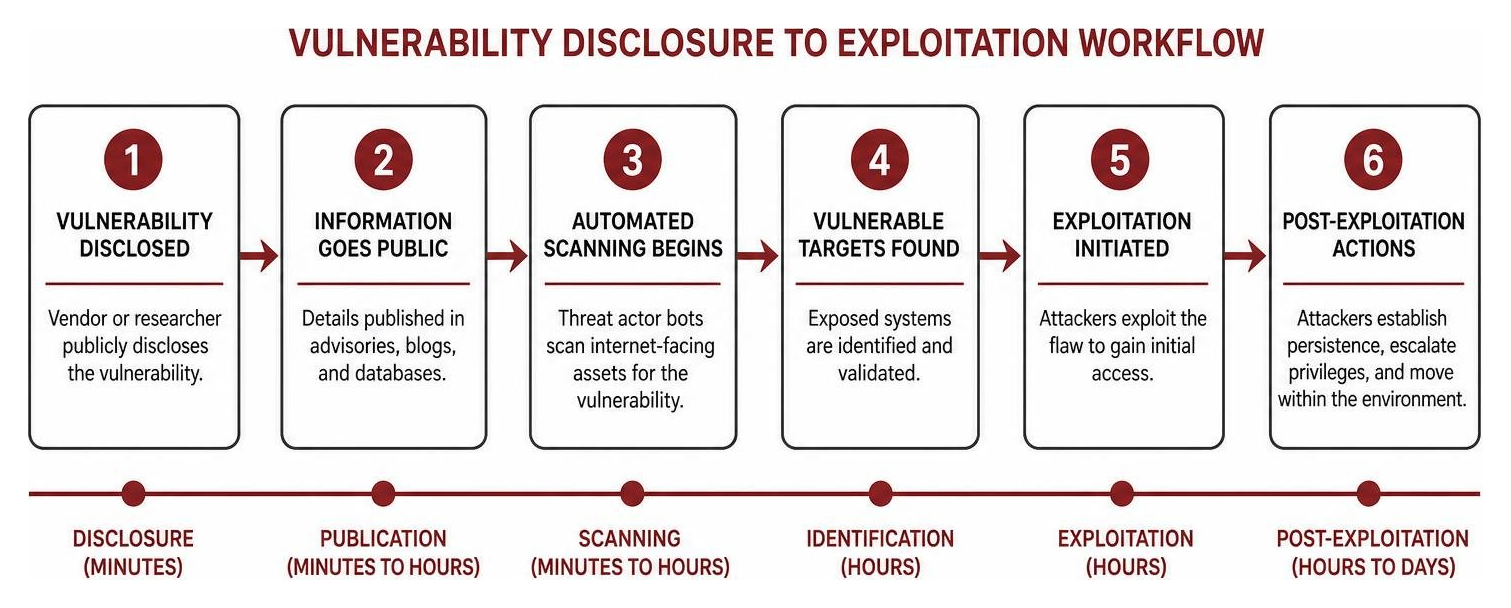
When new critical vulnerabilities are disclosed, automated threat actor bots scan public cloud ranges instantly. For instance, following the disclosure of major remote code execution vulnerabilities like CVE-2025-55182, threat actors deployed malicious XMRig cryptocurrency miners within 48 hours. Organizations maintaining multi-week patch management schedules find themselves compromised before their security teams even schedule a maintenance window. Achieving true cloud resilience requires moving away from delayed manual patching toward automated, edge-level defenses such as Web Application Firewalls (WAF) and real-time virtual patching. Building a comprehensive defense strategy requires reviewing a detailed guide to cloud security.
2. Compromised Identities and Credential Theft Drive High-Volume Breaches

Even with software exploitation rising, identity remains the primary target once an attacker touches a cloud ecosystem. Identity compromise underpinned 83% of cloud-related intrusions in late 2025. Because physical network perimeters do not exist in modern public clouds, identity function acts as the new perimeter.
Threat actors continually refine how they steal and abuse cloud credentials. Social engineering tactics like vishing (voice phishing) now account for 17% of phishing-based initial access events. Attackers impersonate corporate IT help desks over the phone to trick personnel into resetting credentials or approving secondary access requests. Beyond raw passwords, adversaries target OAuth tokens, API keys, and session cookies. By acquiring valid OAuth tokens from integrated SaaS applications, attackers silently execute high-volume data requests without triggering standard brute-force detection rules. Mastering cloud security basics helps organizations intercept these access vectors.
Phishing-Resistant MFA and Least Privilege Controls
To withstand sophisticated credential attacks, standard multi-factor authentication (like SMS codes or push notifications) is no longer sufficient. Attackers easily bypass push notifications using MFA fatigue or vishing tactics.
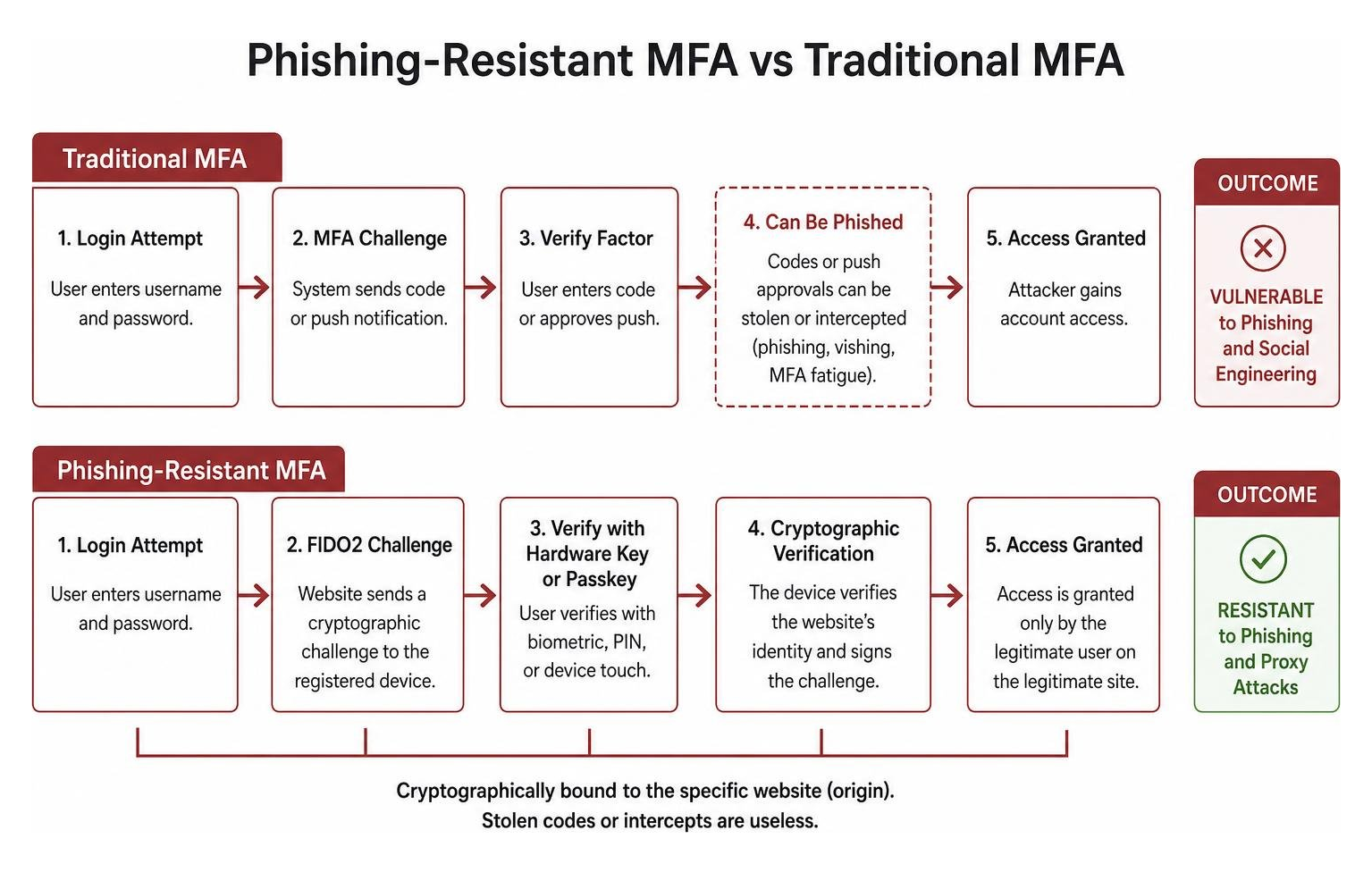
Organizations must transition to phishing-resistant MFA built on hardware keys or FIDO2-compliant passkeys. FIDO2 authentication cryptographically binds identity verification to the specific website URL, substantially mitigating social engineering and adversary-in-the-middle proxy attacks.
In tandem with phishing-resistant MFA, organizations must enforce strict Least Privilege access principles. Utilizing automated IAM recommenders allows cloud administrators to identify and prune inactive, over-permissioned service accounts. Implementing identity-aware proxies isolates management consoles, ensuring cloud administrative interfaces remain completely hidden from the public internet. Expanding technical skills through a dedicated cloud security learning path gives security teams the background needed to maintain these controls.
3. AI Infrastructure and Software Supply Chains Present Unprecedented Security Threats in Cloud Computing

As cloud-native architectures embrace automated continuous integration and continuous delivery (CI/CD) pipelines, supply chain security threats in cloud computing have grown exponentially. Third-party supply chain compromises now represent 21% of cloud initial access events.
A major real-world example occurred during the March 2026 LiteLLM supply chain breach detailed by CloudSEK. In that incident, an un-revoked automation token from an upstream security scanner (Trivy) allowed attackers to force-push malicious code into downstream open-source Python packages. This single upstream leak exposed over 2,500 organizations and 434,000 CI/CD pipelines.
The attack utilized a malicious .pth file that executed automatically whenever the Python interpreter initialized, completely bypassing traditional package installation flags and test checks. The embedded malware scraped credentials directly from process memory (/proc//mem) to steal masked GitHub variables, AWS keys, Azure tokens, and Kubernetes service account secrets.
Similarly, Microsoft’s analysis of the ChainDrop supply chain compromise revealed a self-propagating JavaScript worm that infected over 400 npm packages. The worm harvested cloud credentials, modified IDE configurations (.vscode and .claude settings), and automatically republished infected packages using stolen developer tokens.
Agentic AI Frameworks and CoreBreak Guardrail Bypasses
The rise of agentic AI frameworks brings a novel category of infrastructure risk. Research from the Cloud Security Alliance highlighted the CoreBreak vulnerability pattern, which affected major AI developer tools across AWS Bedrock AgentCore (CVE-2026-18830, CVSS 8.6), Google Agent Development Kit (CVE-2026-18236, CVSS 9.3), and Vercel AI SDK.
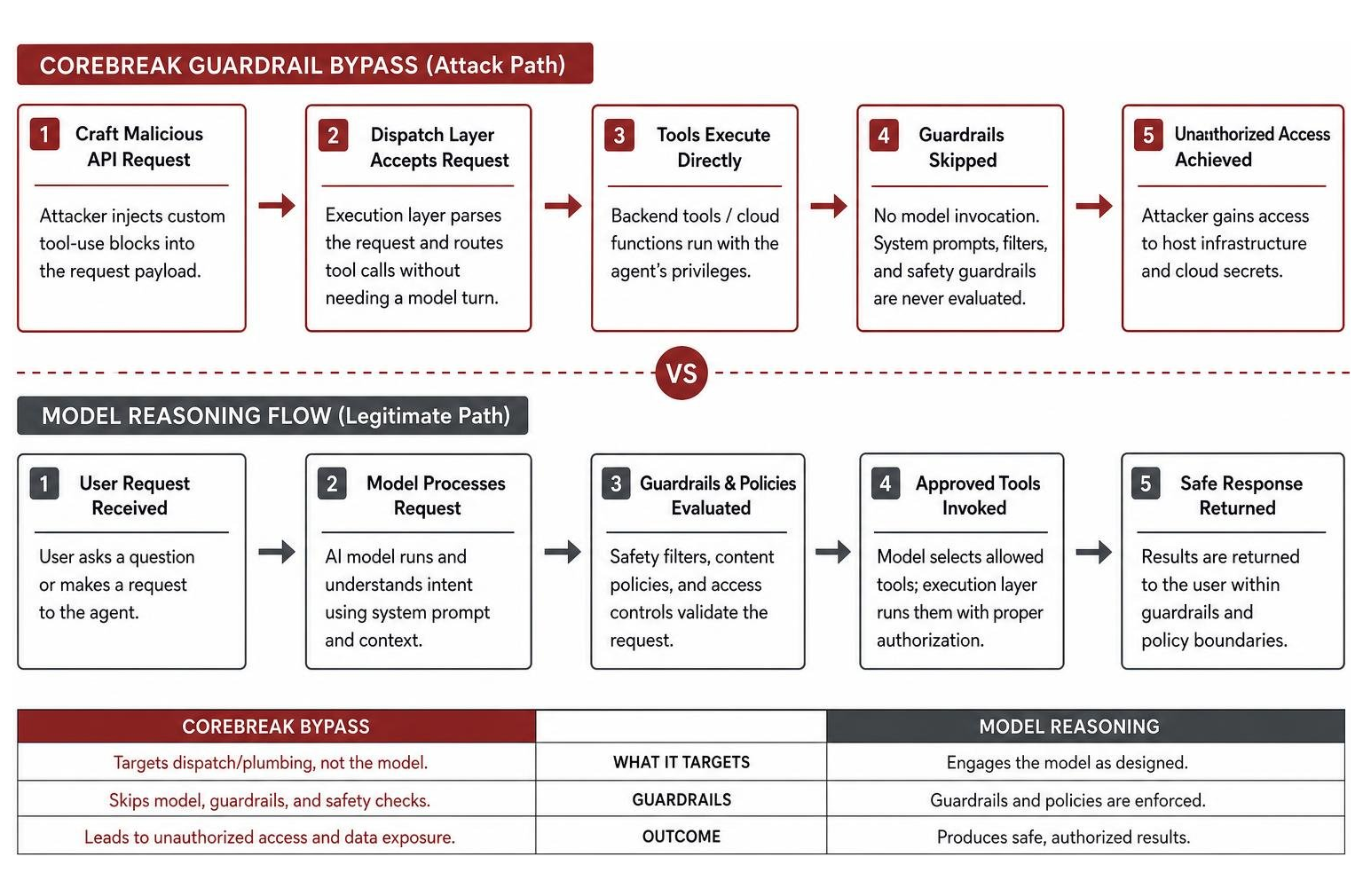
CoreBreak targets the underlying dispatch plumbing that executes tools on behalf of an AI agent. Unlike traditional prompt injection—which attempts to trick an AI model’s judgment—CoreBreak bypasses the AI model entirely. By injecting custom tool-use blocks directly into API request structures, attackers force the execution harness to run backend tools and cloud functions without running a model turn. Consequently, system prompts, content filters, and safety guardrails never inspect the request, giving adversaries unauthorized access to host infrastructure and cloud secrets.
4. Multi-Tenancy and Shared Responsibility Create High-Risk Visibility Blind Spots
Public cloud environments rely on multi-tenancy, sharing underlying physical hardware and network fabrics across multiple customers. While hypervisor isolation failures are rare, logical misconfigurations within shared environments represent a persistent threat.
The core challenge stems from the Shared Responsibility Model. Cloud service providers (CSPs) secure the infrastructure of the cloud (physical hosts, facilities, hypervisors), while customers remain entirely responsible for security in the cloud (identities, storage permissions, OS configurations, firewall rules, and application code). A complete breakdown of cloud safety occurs when organizations assume the cloud provider handles all security controls by default. Understanding who shares responsibility in cloud security is essential for avoiding regulatory and operational missteps.
According to the Intruder 2026 Cloud Security Index, cloud security risks vary dramatically across infrastructure providers, creating complex management burdens for multi-cloud enterprises:
| Security Metric / Misconfiguration Risk | Amazon Web Services (AWS) | Microsoft Azure | Google Cloud Platform (GCP) |
|---|---|---|---|
| Publicly Exposed Services Rate | 76% | 64% | 8% |
| Permissive Ingress Firewalls | 83% | 45% | 34% |
| Storage Account Misconfigurations | 87% lack HTTPS enforcement | High storage risk | Secure by default |
| Identity & MFA Gaps | 83% allow privilege escalation | 55% accounts lack MFA | Benefits from OS Login |
| Primary Platform Risk Drivers | Extensive options, public access | Storage accounts, missing MFA | Custom IAM role management |
The study also revealed that midmarket organizations (1,000–5,000 employees) take an average of 35 days to remediate cloud vulnerabilities—more than triple the remediation timeframe of smaller businesses (8–16 days) or large enterprises (10 days)—because they balance enterprise-level cloud complexity with limited security resources.
Mitigating Shared Responsibility Security Threats in Cloud Computing
To eliminate visibility blind spots created by shared responsibility, organizations must establish automated infrastructure controls and centralized logging. Applying uniform security policies across multi-cloud environments often fails because each provider utilizes distinct permission models and network abstractions.
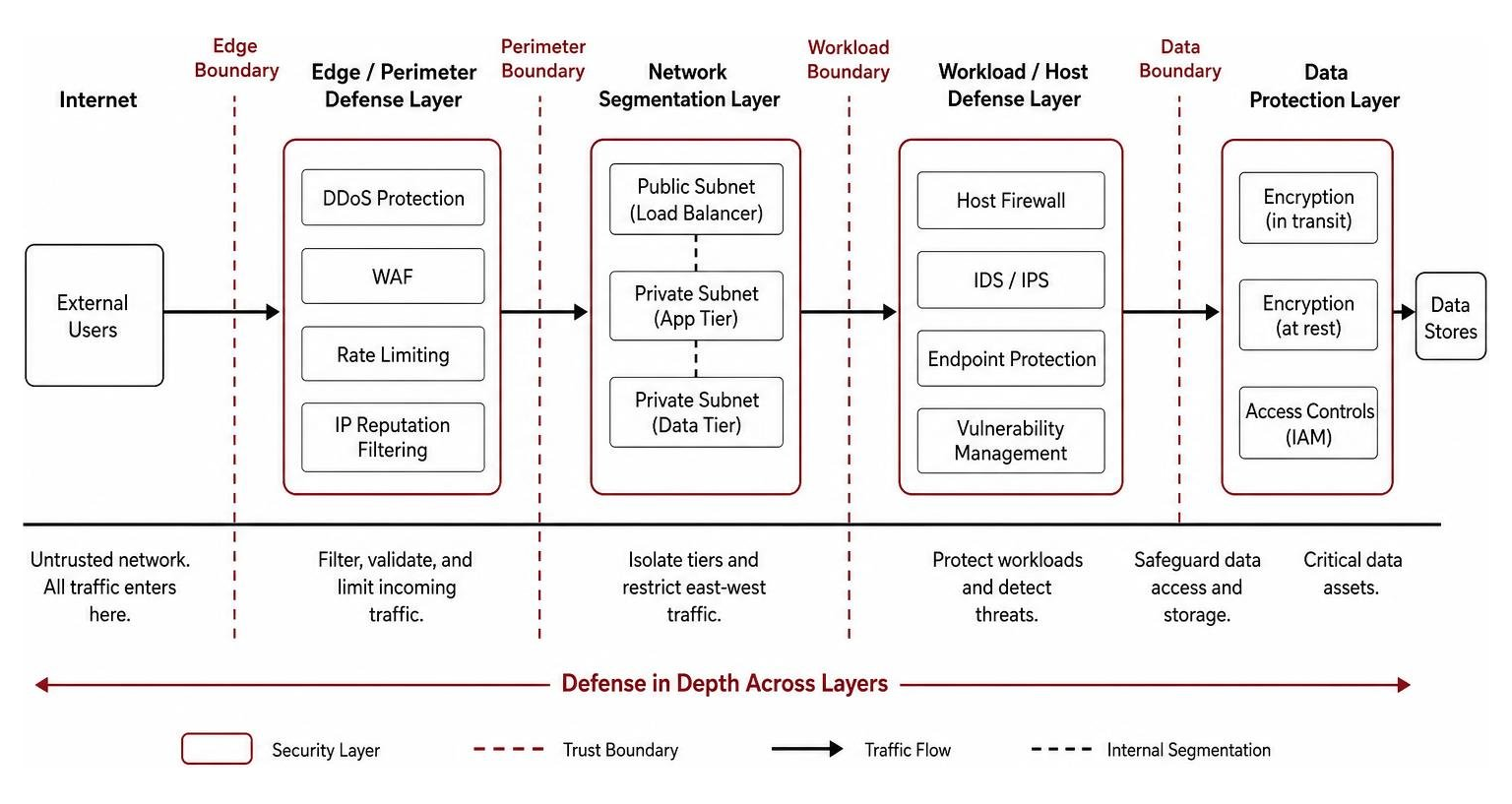
Security teams should enforce automated configuration baselines using Organization Policies to prohibit 0.0.0.0/0 public ingress rules and mandate HTTPS transport across all cloud storage buckets. Address network-level risks by reading our analysis on why cloud strategies break down at the network layer.
5. Malicious Insiders and Silent Data Exfiltration Impact Enterprise Assets
Data exfiltration remains a primary objective for cloud threat actors, featuring in 73% of cloud security incidents. However, external attackers are not the only concern; internal user activity presents severe risk. Data exfiltration occurred in 91% (909 of 1,002) of analyzed computer-based malicious insider threat cases.
Platform-agnostic cloud storage services have become the fastest-growing data exfiltration pathway, rapidly outpacing legacy channels like corporate email or USB drives. Malicious insiders frequently abuse legitimate access permissions to adjust cloud storage Access Control Lists (ACLs), exposing internal databases to personal cloud storage drives.
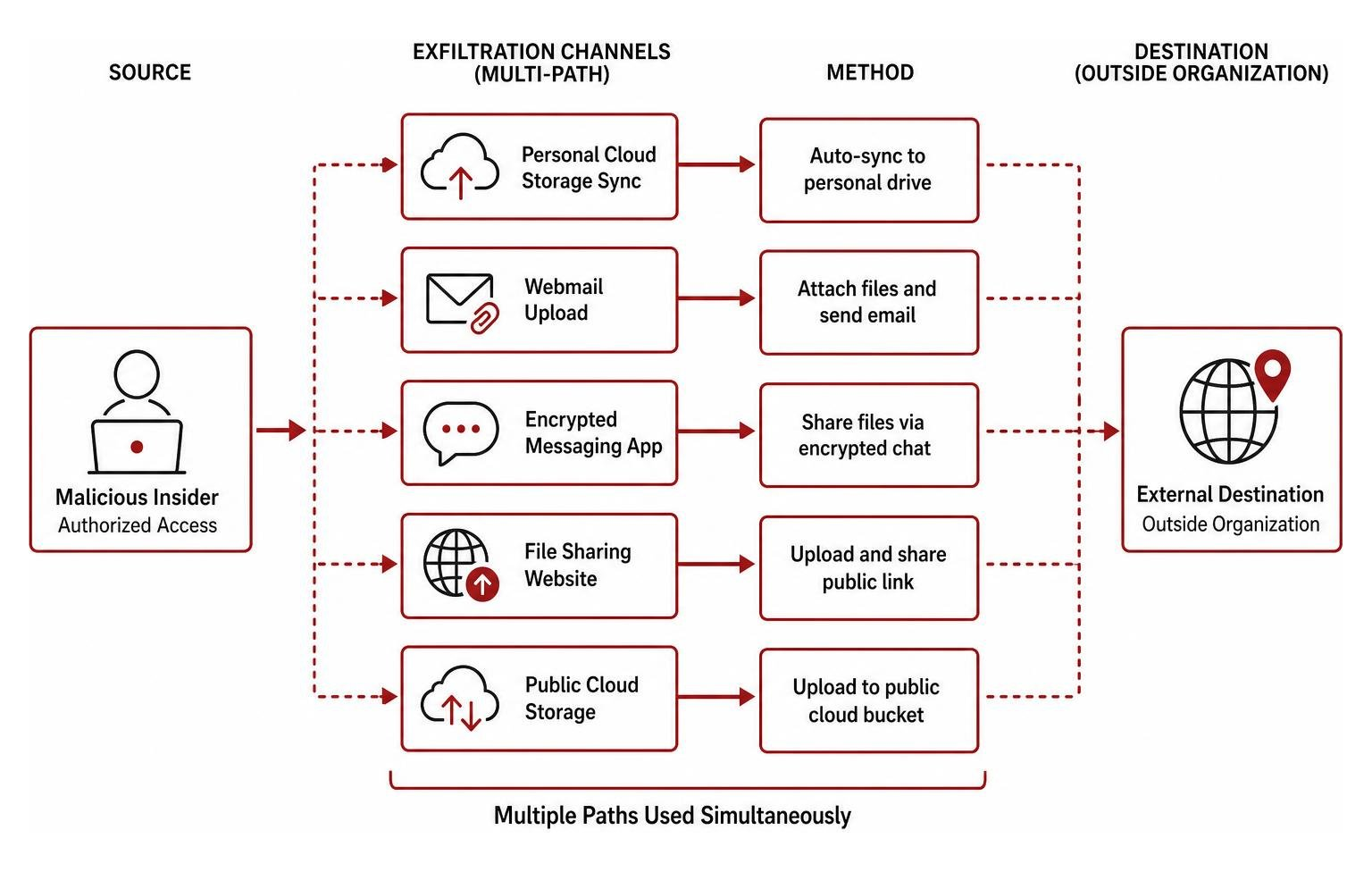
Crucially, in 35% of insider exfiltration cases, subjects utilized multiple exfiltration pathways simultaneously—combining cloud storage sync tools, webmail uploads, and encrypted chat channels to defeat single-point monitoring.
Forensic Readiness and Automated Incident Response
Defending against data exfiltration demands continuous threat detection and rapid forensic capabilities. When a cloud intrusion occurs, security teams must preserve digital forensics without destroying volatile runtime evidence.
Organizations should structure cloud environments for forensic readiness by centralizing tamper-proof audit logs in write-once-read-many (WORM) storage. Furthermore, automated incident response plays an indispensable role. When detection systems spot abnormal bulk API calls or massive data egress spikes, automated pipeline orchestration should instantly revoke the offending user session, isolate affected container workloads, and snapshot memory artifacts within seconds. Adopting a structured approach with our guide to cloud computing security best practices helps eliminate gaps, while learning how to balance cost, outcomes, and innovation keeps operations running smoothly.
Frequently Asked Questions About Cloud Security
How Fast Do Attackers Exploit Software Vulnerabilities in Cloud Environments?
The window between public vulnerability disclosure and active, automated exploitation has compressed from weeks down to hours or days. Threat actors deploy automated web scanners across public cloud IP blocks immediately after CVE announcements, frequently launching automated exploits within 48 hours.
What Unique Security Risks Do Multi-Cloud Environments Present?
Multi-cloud environments introduce configuration drift and platform-specific misconfiguration risks. AWS exhibits higher rates of publicly exposed services and permissive firewalls, Azure environments frequently suffer from storage account exposure and unauthenticated users, while GCP requires unique management of IAM roles. Applying a single generic security policy across distinct providers creates severe visibility blind spots.
How Can Organizations Prevent Data Exfiltration via Cloud Services?
Organizations can mitigate cloud data exfiltration by enforcing strict Least Privilege access rules, restricting third-party OAuth application scopes, enforcing HTTPS transport, blocking unauthorized cloud storage access via Cloud Access Security Brokers (CASB), and setting automated alerts for anomalous bulk API calls or egress traffic spikes.
Securing Your Cloud Environment with DataEndure
Navigating complex security threats in cloud computing requires moving beyond disconnected tools, uncoordinated alerts, and manual response routines. Modern threat actors operate at machine speed–exploiting software flaws in hours, stealing credentials through automated supply chain attacks, and exfiltrating data through obscure cloud channels.
DataEndure brings 40+ years of experience as a multi-disciplinary partner delivering digital resilience across security, data, cloud, network, and infrastructure. We help organizations eliminate security blind spots, reduce operational burdens, and achieve real business outcomes through a vendor-agnostic approach that leverages over 50 strategic partners. Our approach is grounded in core pillars including Alignment Over Complexity, Resilience as Enabler, AI Readiness, Vendor-Agnosticism, and Holistic Problem Solving.
Our flagship solution, Delta Detection & Response ($Delta$DR), also called DeltaDR, stands alone with no comparable solution on the market. DeltaDR is a fully managed, unified Security-as-a-Service platform that pairs a curated, composable security stack with a 24×7 team of security experts delivering continuous incident response.
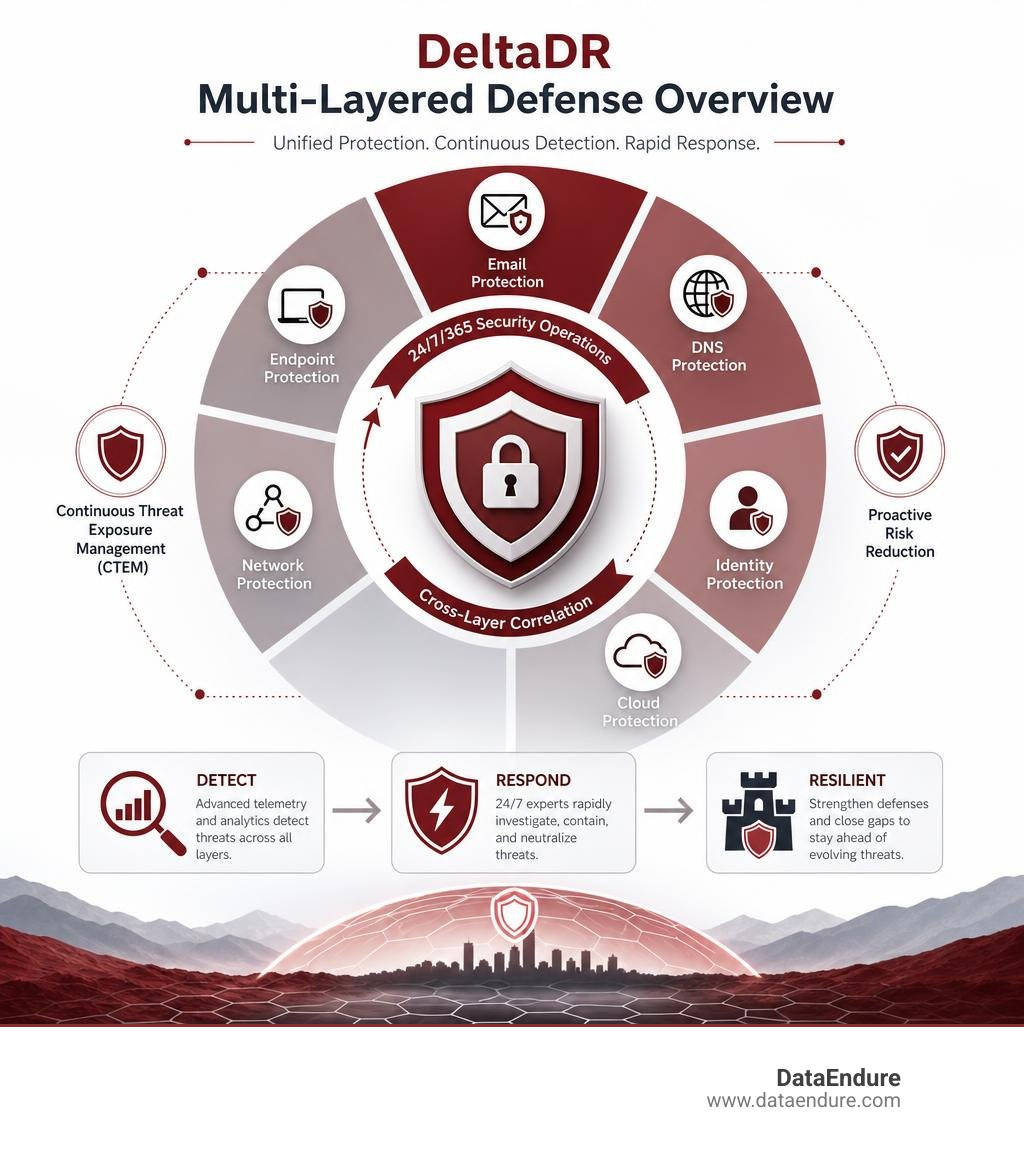
DeltaDR goes far beyond traditional XDR solutions, delivering layered defense across email, DNS, identity, endpoint, network, and cloud, including 24/7 security operations, Continuous Threat and Exposure Management (CTEM), and continuous incident response. Key benefits of DeltaDR include:
- Adaptive Protection & Evergreen Stack: Keeps your defense architecture continuously updated against emerging threats without tool sprawl.
- Faster Detection and Recovery: Rapidly isolates threats to minimize operational impact and dwell time.
- Continuous Incident Response: Provides 24/7/365 active threat hunting and containment by expert security analysts.
- Multi-Layered Defense & Cross-Layer Correlation: Unifies telemetry across identity, endpoint, and cloud vectors to detect hidden attack paths.
- Flexible Adoption & 30-Day Onboarding: Seamlessly scales from 5 to 50,000 endpoints with rapid implementation.
Whether your organization requires Endpoint Protection, MDR, XDR, Open XDR, or full DeltaDR capabilities, DataEndure helps support a resilient, compliant, and secure cloud infrastructure. Explore our complete suite of cloud security solutions today to fortify your digital footprint against modern threats.